Stronger row
“Heavyweight zip hoodie, size chart and detail photos”
- The category is clear.
- Measurements and fabric context are visible.
- Photos can answer fit and finish questions.
- The likely packed weight is part of the comparison.
Searches and shortcuts open external Findsindex results in a new tab.
Independent spreadsheet field guide · 2026 edition
Turn a long Global Weidian spreadsheet into a deliberate shortlist. Begin with a category, compare similar rows, inspect QC photos and sizing, then account for shipping weight before you keep a link.
External Findsindex links open in a new tab.
Product directory
Start with the product type you already have in mind, then continue to the matching Findsindex global category.
External links open Findsindex in a new tab. Narrower labels route to the verified Clothing, Shoes, Bags, Accessories, or Electronics parent directory.
Read the full category checking guide →Current public finds
Choose a category, compare the visible cards, then open the matching Findsindex listing for current details.
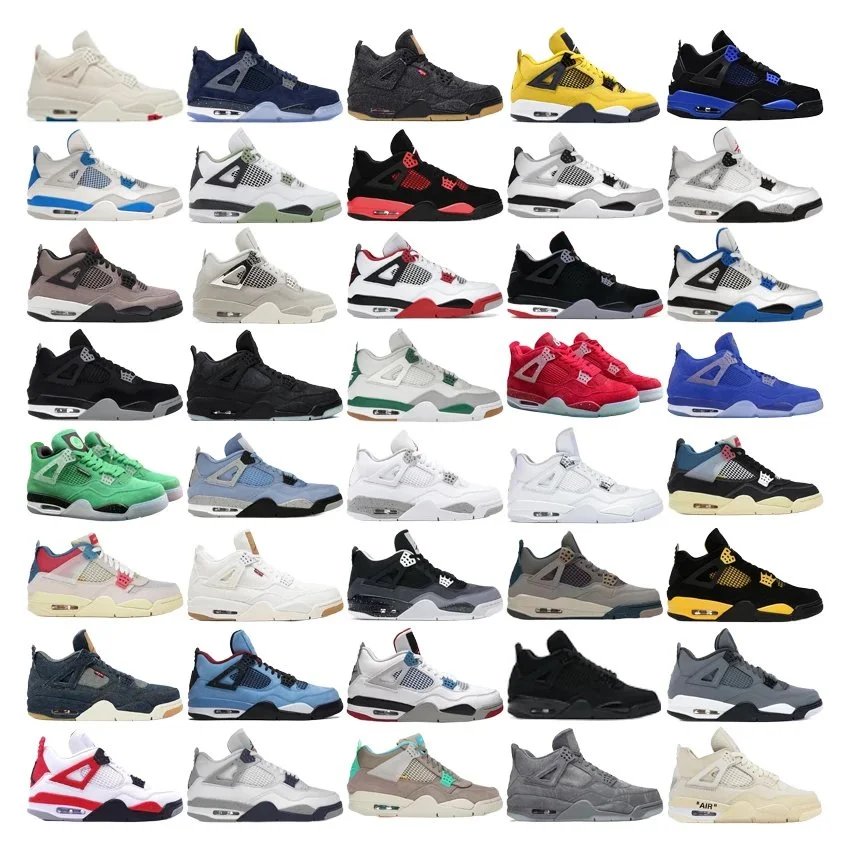 FeaturedAir JordanAir Jordan 4 Retro Multicolor Sneakers≈ $0.15
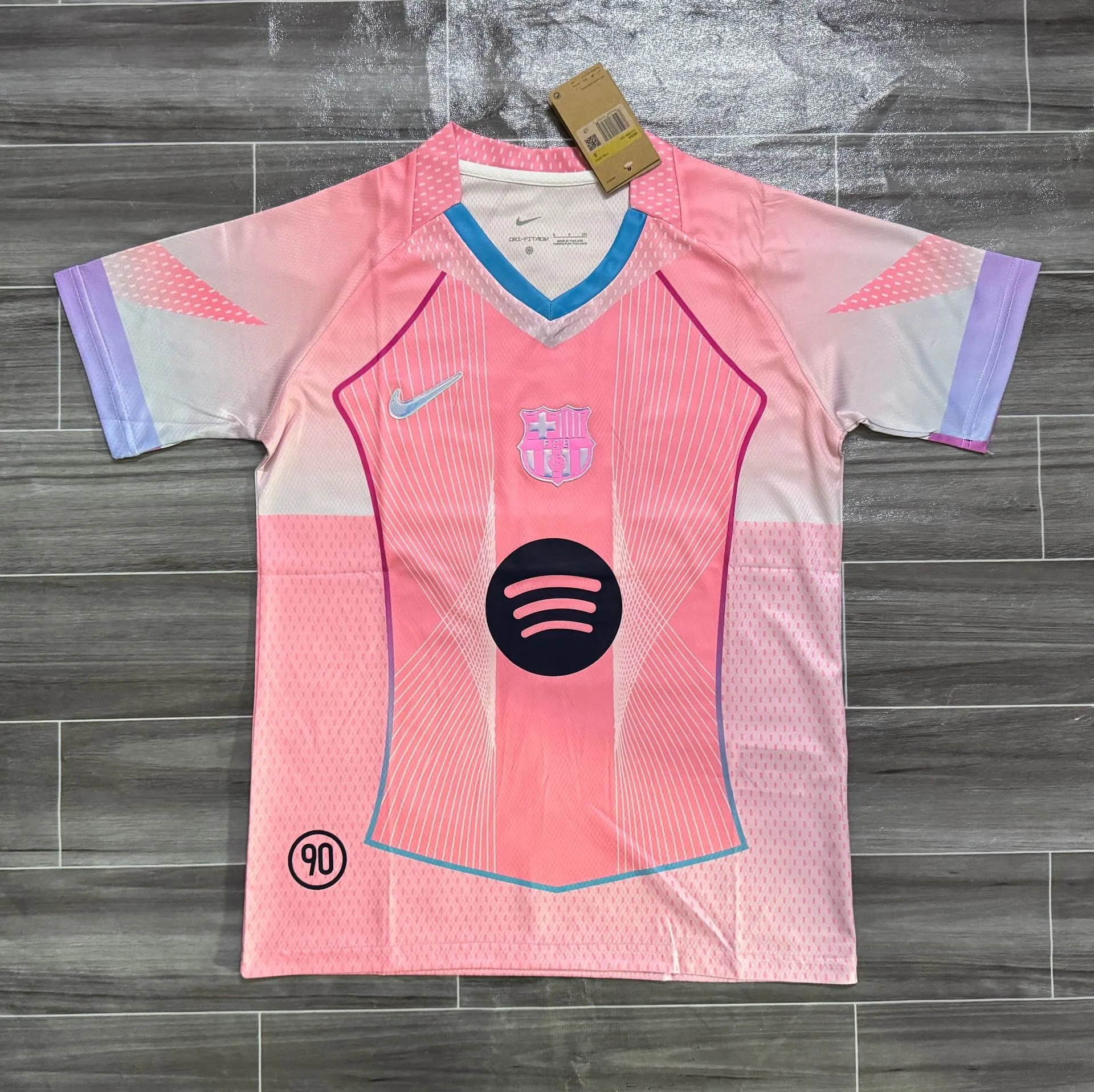 FeaturedNikeFC Barcelona x Spotify 2024 Third Jersey Pink≈ $5.29
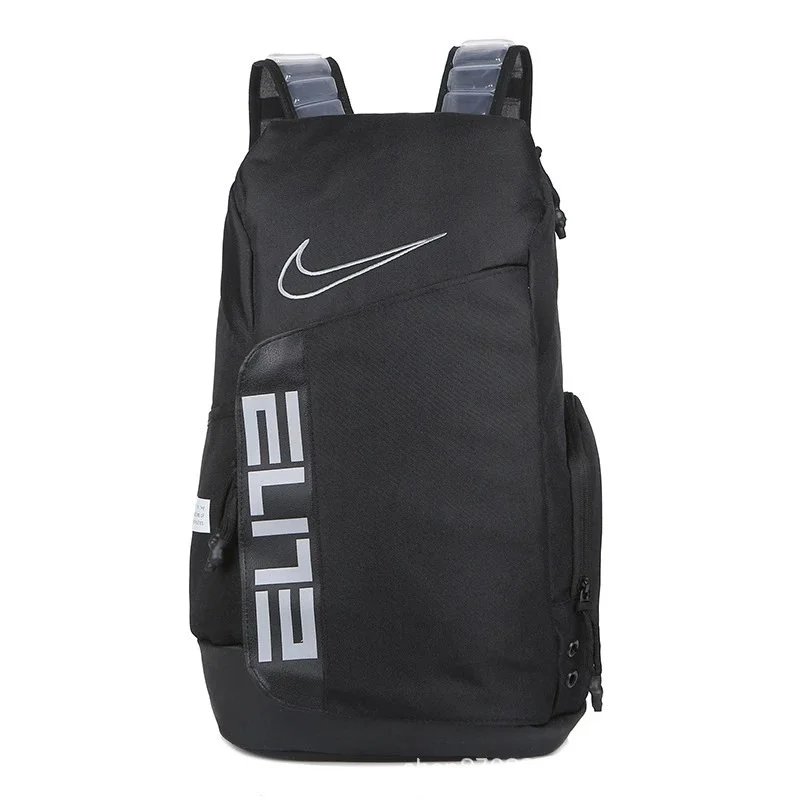 FeaturedNikeNike Elite Basketball Backpack Black≈ $15.74
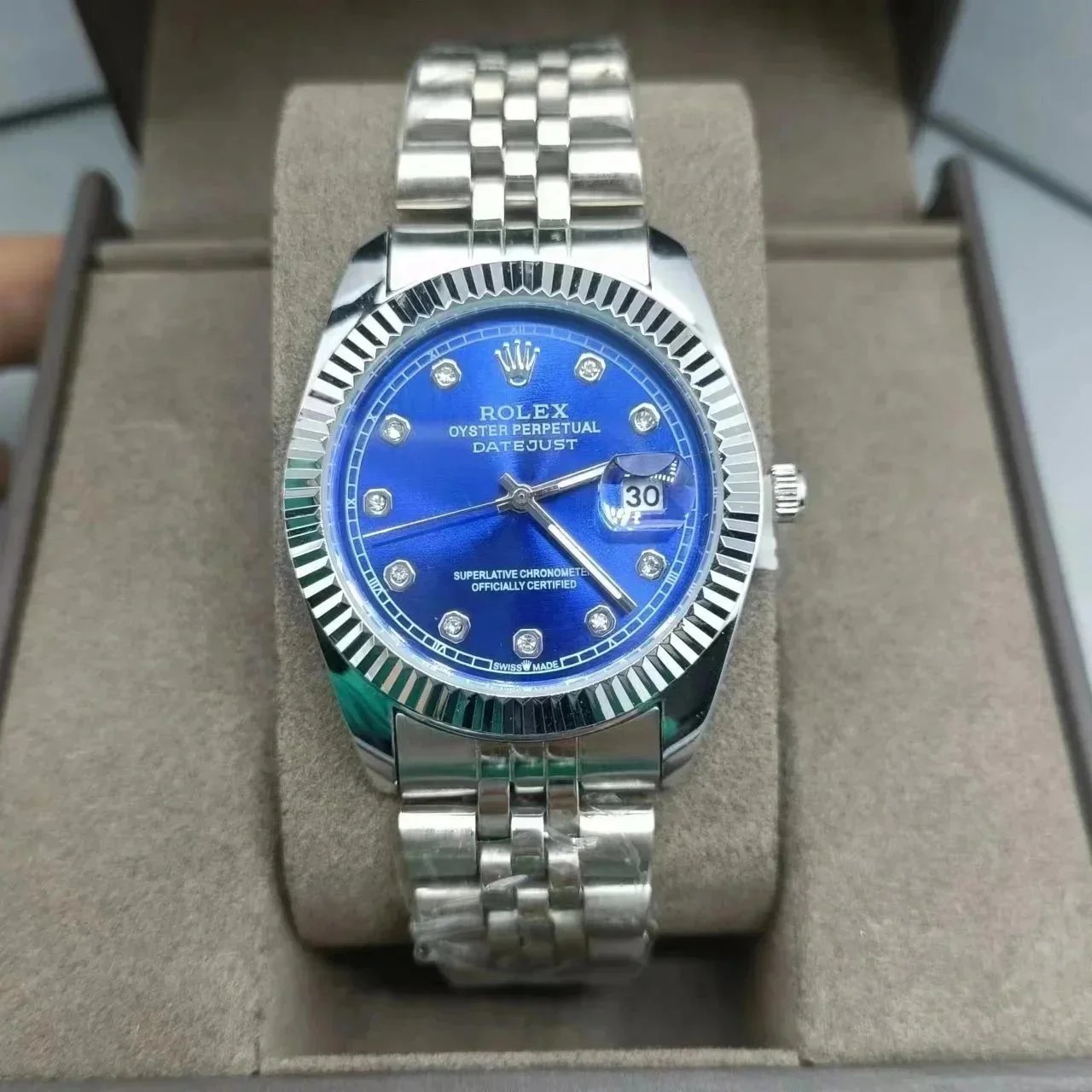 FeaturedRolexRolex Oyster Perpetual Datejust Blue Dial Diamond Hour Markers Mechanical Watch≈ $14.45
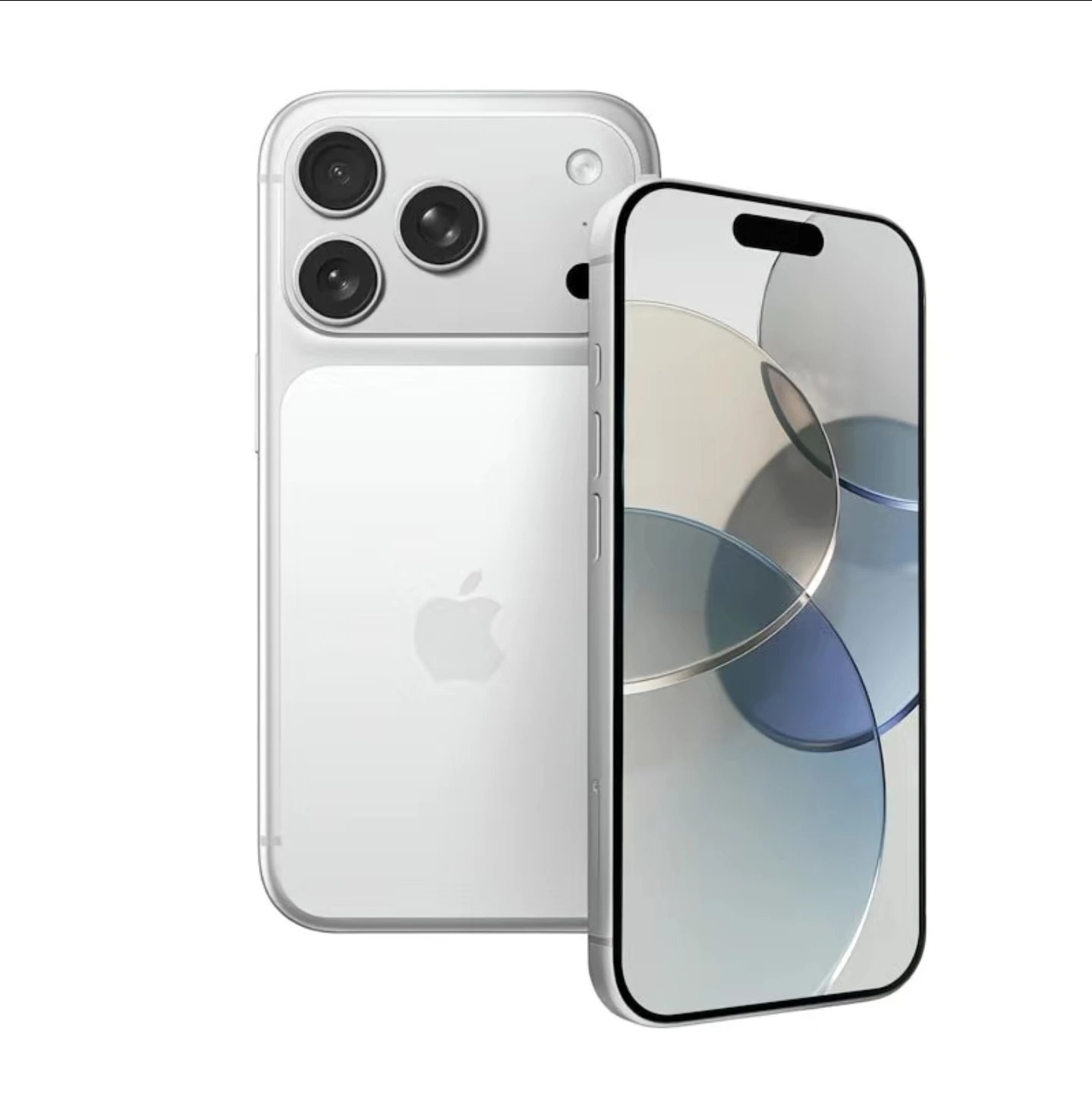 FeaturedAppleApple iPhone 16 Pro Silver Smartphone≈ $229.77
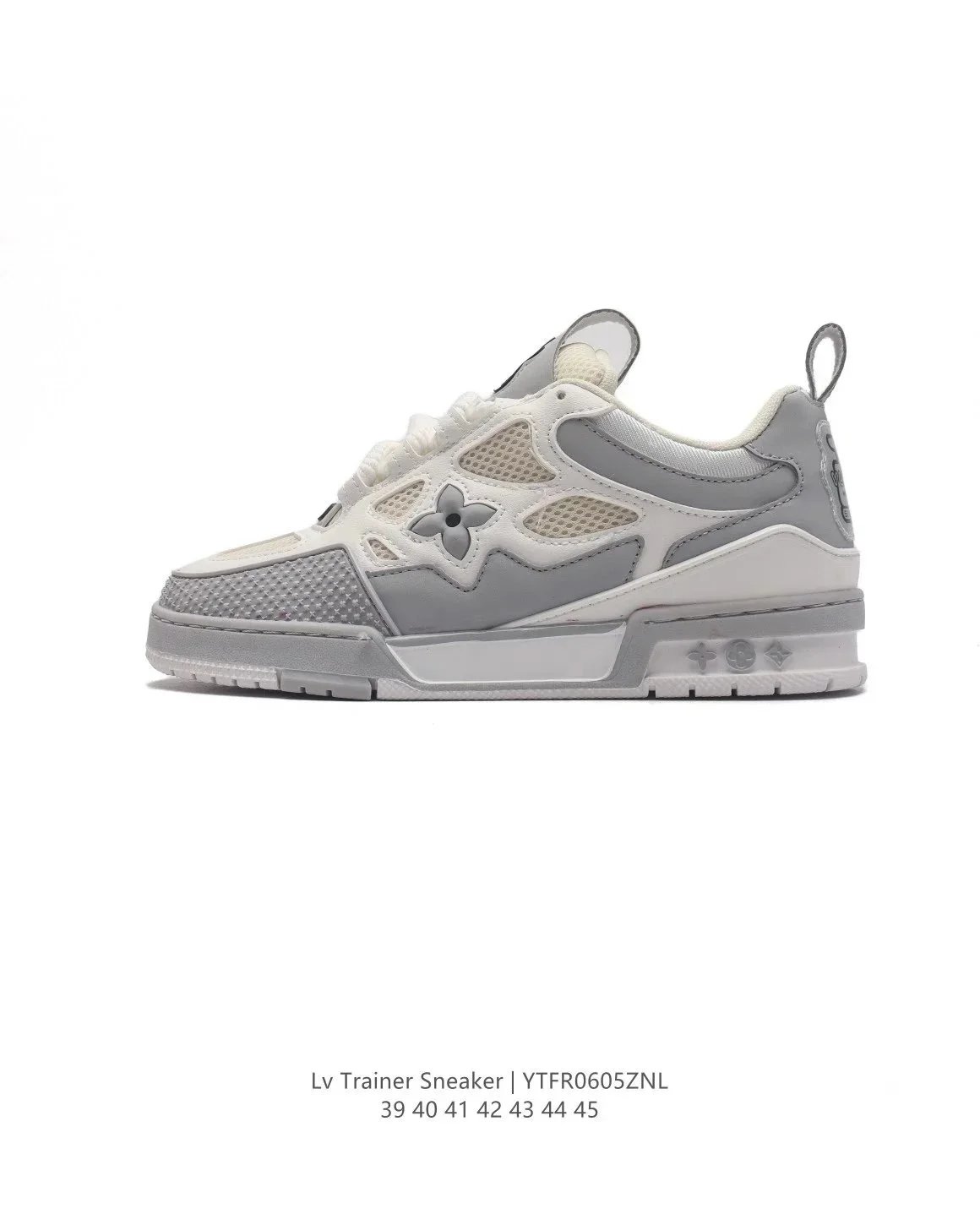 Louis VuittonLouis Vuitton Trainer Sneaker White Gray Mesh Sneakers≈ $36.85
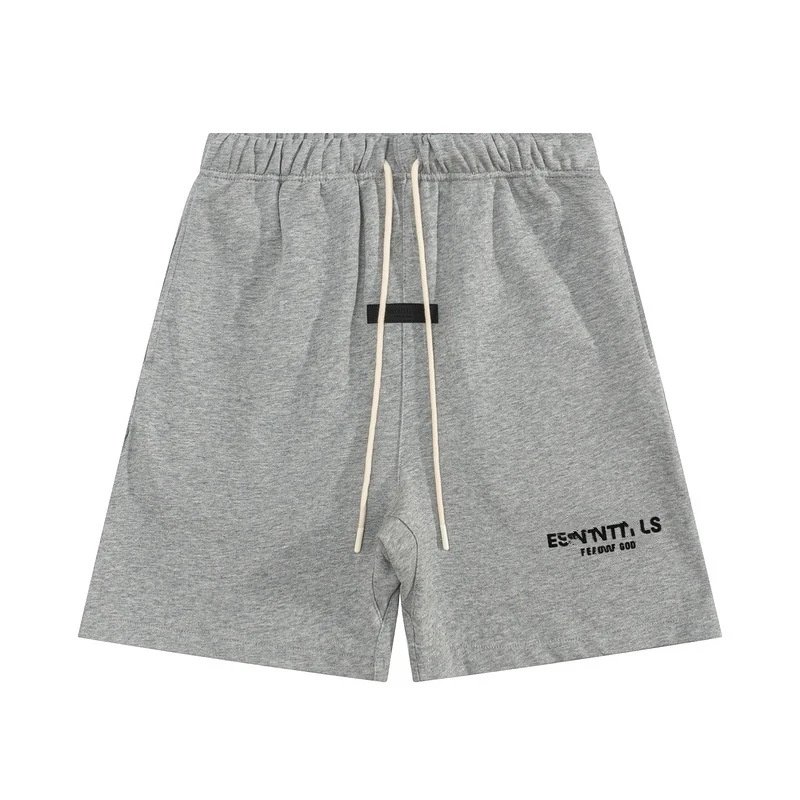 EssentialsEssentials Short Gray Sweatshorts≈ $17.51
 Louis VuittonLouis Vuitton Keepall Bandoulière Monogram Eclipse Gray Duffle Bag≈ $14.59
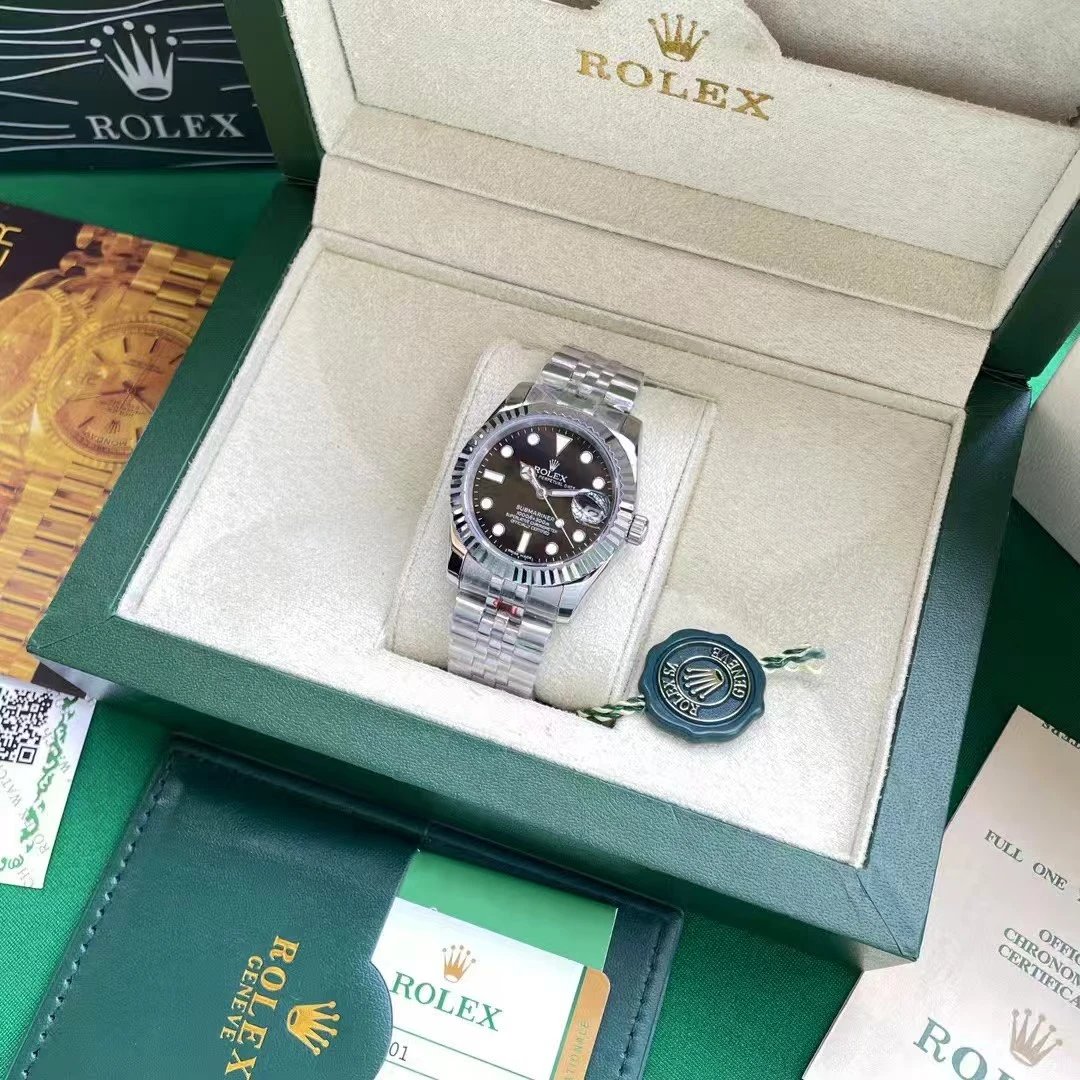 RolexRolex Submariner Black Dial Steel Watch≈ $29.33
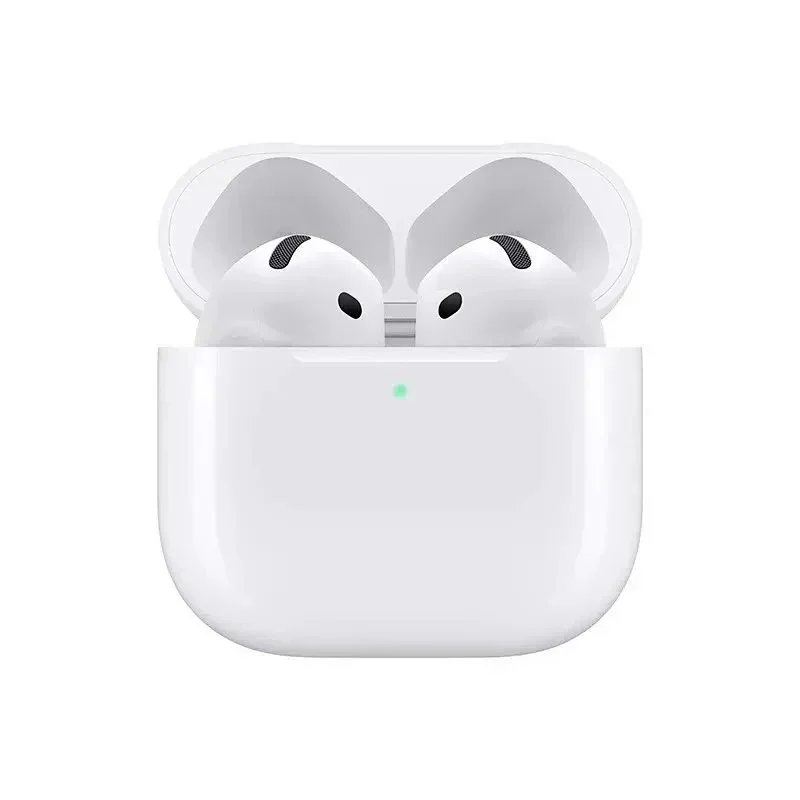 AppleApple AirPods Pro White TWS Earbuds≈ $11.06
Public Findsindex snapshot: 2026-07-25. USD prices are approximate and for reference only. Product details can change; verify the destination page before relying on a title, image, or price. Global Weidian does not sell or verify these products.
A better first filter
Broad Global Weidian spreadsheets get messy because unrelated rows ask different questions. Shoes need profile and size checks. Jackets need measurements, lining, and weight. Electronics need compatibility details before appearance matters.
Choose the product type first, then compare like with like. That makes vague rows easier to reject and useful differences easier to see.
Some users search by brand or model, but category-first browsing is cleaner and safer. Start with shoes, bags, watches, jackets, hoodies, or accessories, then inspect the external product details yourself.
Practical articles
Keep a reason, an open question, and a next action beside every serious row.
Use the shortlist method →InspectMatch the photo angle to the question and record what the image cannot answer.
Use the QC photo guide →TraceCompare the row with its current Weidian, Taobao, 1688, or Yupoo destination.
Use the source link guide →Three quiet decisions
Decide which product questions matter before opening another tab.
Put rows side by side instead of judging an isolated price or photo.
Keep a row because the evidence is useful, not because the label is loud.
Evidence over momentum
01The category makes sense The row belongs beside the alternatives you are comparing.
02The photos are useful They show the specific details that matter for this item.
03Fit has evidence Sizing, measurements, or fit notes are visible when needed.
04Price has context It is considered beside comparable rows, not in isolation.
05Weight is part of value A low item price does not hide a heavy shipment.
06Source clues are relevant A Yupoo, Taobao, Weidian, or 1688 label helps you understand the link rather than replacing checks.
Stronger row
Weak row
Search for the missing detail
A broad search usually brings back another broad list. Name the item first, then add the one thing you still need: its source page, a size chart, clearer QC photos, or a realistic packed-weight estimate. A search such as “hoodie size chart” is easier to act on than a long string of loosely related terms.
The search guide includes examples for missing links, source pages, measurements, photos, and shipping questions.
Use the page that matches the question
See what a row tells you, what it leaves out, and what to check next.
→02Solve a shortlist, QC-photo, or source-link problem with a focused method.
→03Compare rows that solve the same kind of search.
→04Name the item and the missing answer so the results are easier to use.
→05Use seven practical checks before saving another link.
→06Treat shipping estimates as planning inputs, not promises.
→07Spot vague rows, thin photos, missing sizes, and unsupported claims.
→08Review QC, links, safety, support, refunds, payment, and tracking boundaries.
→Next step
If you already know the category, open the matching Findsindex page. If you are still unsure, read the checklist first and keep the shortlist small.
External Findsindex links open in a new tab.